

Anglo Saxon attitudes...

It’s a beautiful evening here. Friday. Blue sky, clear light, a few pollinators still drowsily buzzing in the flowers (Nepeta, they can’t get enough of it), a blackbird singing. A moment of perfection. And it promises to be a nice day tomorrow. *satisfied sigh.
It’s been an up and down kind of week. In terms of A’s recovery we are still at the two days forward, one day back stage., but we are not downhearted because it is progress, no matter how fitful. And my new car should arrive next week but, to be honest, I can’t get excited about it at the moment. I’d rather have A well enough to be excited about it. Heigh ho. I’m not really as gloomy as I sound, just a bit tired and as the lady said “Tomorrow is another day.”
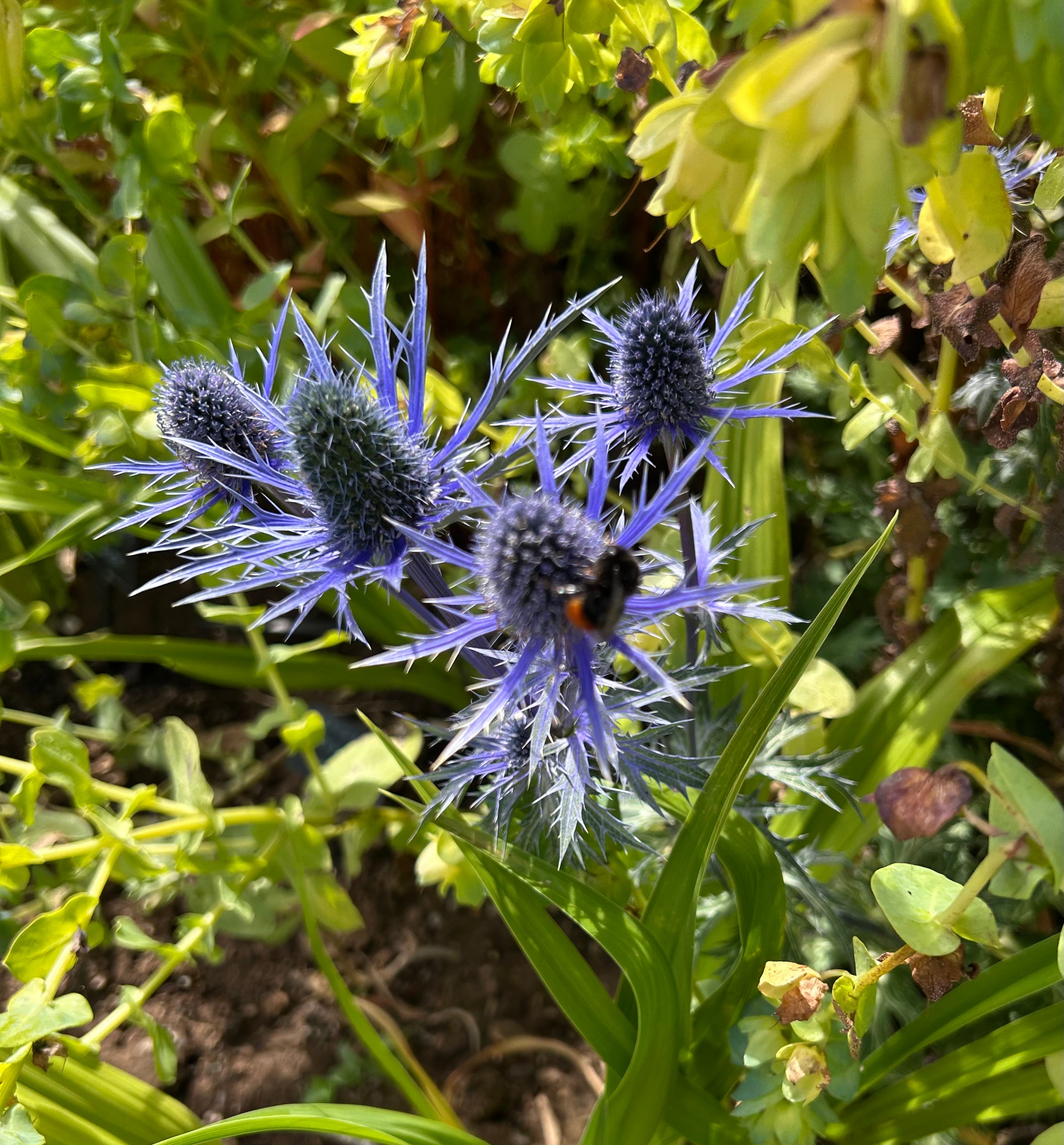
Here is a red-tailed bumblebee enjoying an eryngium. I think the eryngium is called Big Blue. I don’t know the bee’s name. Its family name is Bombus lapidarius. Which is quite enough to be going on with.
This morning I heard a terrific scuffle in the garden, a magpie ‘chack-chacking’ like mad and a lot of furiously beating wings. On investigation it was a crow attacking two magpies, having a real go at them, refusing to let them settle anywhere, and not stopping until they flew away. I know crows mob bigger birds—buzzards or a red kite for instance— to protect their nests and fledglings, but I’ve never seen one seriously attack two similar-sized birds before. The magpies were most put out, in every sense! It’s pretty normal corvid behaviour, they’re both very territorial and won’t allow neighbourly nesting, they are also both notorious nest predators so will attack to keep each other away from eggs and nestlings. The crow definitely had the upper hand, or wing, and the magpies have gone but live to fight another day. Which is good becasue shortly after the corvid fight I saw several fledgling baby Blue Tits finding their way around the cherry tree. Quite competent already at foraging for insects, but no match for a hungry crow or magpie.
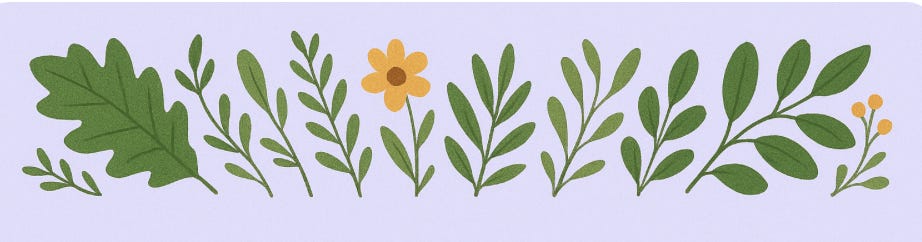
Reading this week has been an interesting alignment of fiction and non-fiction. The non-fiction has been Winters in The World - A Journey Through The Anglo-Saxon Year by Eleanor Parker The book is a journey through a year in Anglo-Saxon England, from the depths of winter through spring, summer, autumn, and back to winter. Rather than being a political history, it explores how Anglo-Saxons experienced the changing seasons, celebrated festivals, understood nature, and connected religious life to the rhythms of the year. Parker draws on poetry, sermons, chronicles, and other medieval texts to reconstruct how people saw the world around them.
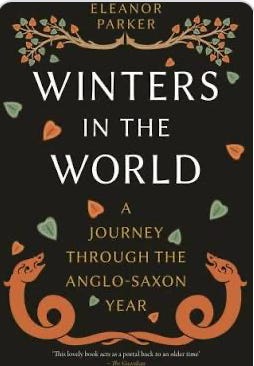
She presents the year as the framework that shaped everyday life, work, worship, and storytelling; showing how Anglo-Saxons saw strong links between the natural world and human experience. For their society, seasonal changes carried emotional, spiritual, and practical significance. The book traces the origins of many of our seasonal celebrations and examines both Christian observances and older customs that survived in medieval England. I particularly enjoyed her use of Old English poetry and prose to show how people understood winter’s hardship, spring’s renewal, summer’s abundance, and autumn’s reflection. She provides extracts from the texts together with a translation which I found fascinating, and often very moving. I neither read nor speak Old English, I have an idea how it sounds from hearing others speak it (TV, radio) and it was fun to try out the unfamiliar words and phrases. There is a softness to spoken Old English, and a thrill to hear the language of ancestors spoken aloud.
Parker is clearly a master of her subject. Her knowledge is obvious, and there is an emotional feeling for the period that is infectious, encouraging the reader to be as fascinated by the Anglo-Saxons as she is herself. The book is scholarly, but not daunting, the author has an eloquence that brings the period to life. Rather than the Anglo-Saxon era being a distant "Dark Age", Parker presents us with a people who are thoughtful, imaginative, and deeply attuned to the natural world. and reveals a culture that remains surprisingly recognisable today. If you’re interested in this period of history—its beliefs and customs and daily life—then I highly recommend it.
The novel I was reading at the same time is A Swarming of Bees by Theresa Tomlinson. Set in 664 AD in the aftermath of the Synod of Whitby, the novel drops us into the bustling world of the monastery at Streonshalh (modern Whitby), led by Abbess Hild, where religion, politics, and survival intersect in unpredictable ways. At the centre is Fridgyth, a half-pagan herb-wife and healer whose practical wisdom often proves more useful than the theological debates occupying kings and bishops. When plague sweeps through the community and suspicious deaths begin to mount, Fridgyth is drawn into a murder investigation that reaches beyond the monastery walls.
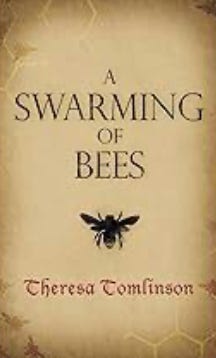
I found Fridgyth an appealing protagonist. She is warm, curious, stubborn, and occasionally reckless—the sort of amateur detective whose strengths come from knowing people rather than outsmarting them. Her friendship with Abbess Hild, a historical figure portrayed with intelligence and authority, gives the novel much of its emotional depth. Their relationship also highlights one of the book’s central themes: the uneasy coexistence of old pagan traditions and the rapidly expanding Christian world. Readers expecting a fast-paced medieval thriller may find the story a little slower than some historical mysteries. What made it enjoyable for me wasn’t the mystery itself (although it’s cleverly plotted), instead, it’s the texture of everyday life. Tomlinson is deeply interested in how people lived: how food was grown, medicines prepared, boats built, and how communities held together during times of crisis. The monastery feels less like a religious institution and more like a small, self-sustaining town (which I suppose it was, really), full of labour, negotiation, and human complexity. The plot meanders at times, lingering over character interactions and historical detail, and that measured pace becomes part of the book’s charm, allowing the setting to become familiar and the characters to develop naturally within it. A Swarming of Bees feels less like a conventional whodunit and more like an historical exploration, one that chimed serendipitously with my reading of Winters In The World. The atmosphere is rich, and the author certainly gives the impression that she knows the 7th century and the events that stirred communities such as Streonshalh. If you enjoy historical fiction that prioritises place and community, it’s a very satisfying read.
If you’ve enjoyed this post do hit the little heart, it makes me easier to find and it also makes me very happy. If you have really enjoyed it, you can always:
And so, until next week, take care and I’ll write soon.

I love 'Winters in the World' as you say she really knows her stuff. Thanks for the recommendation of A Swarm of Bees - one for the virtual TBR. Hopefully some summer weather will help A's progress to better health. I know what you mean though about being consumed by concern…
Really glad that things are going in the right direction 💕